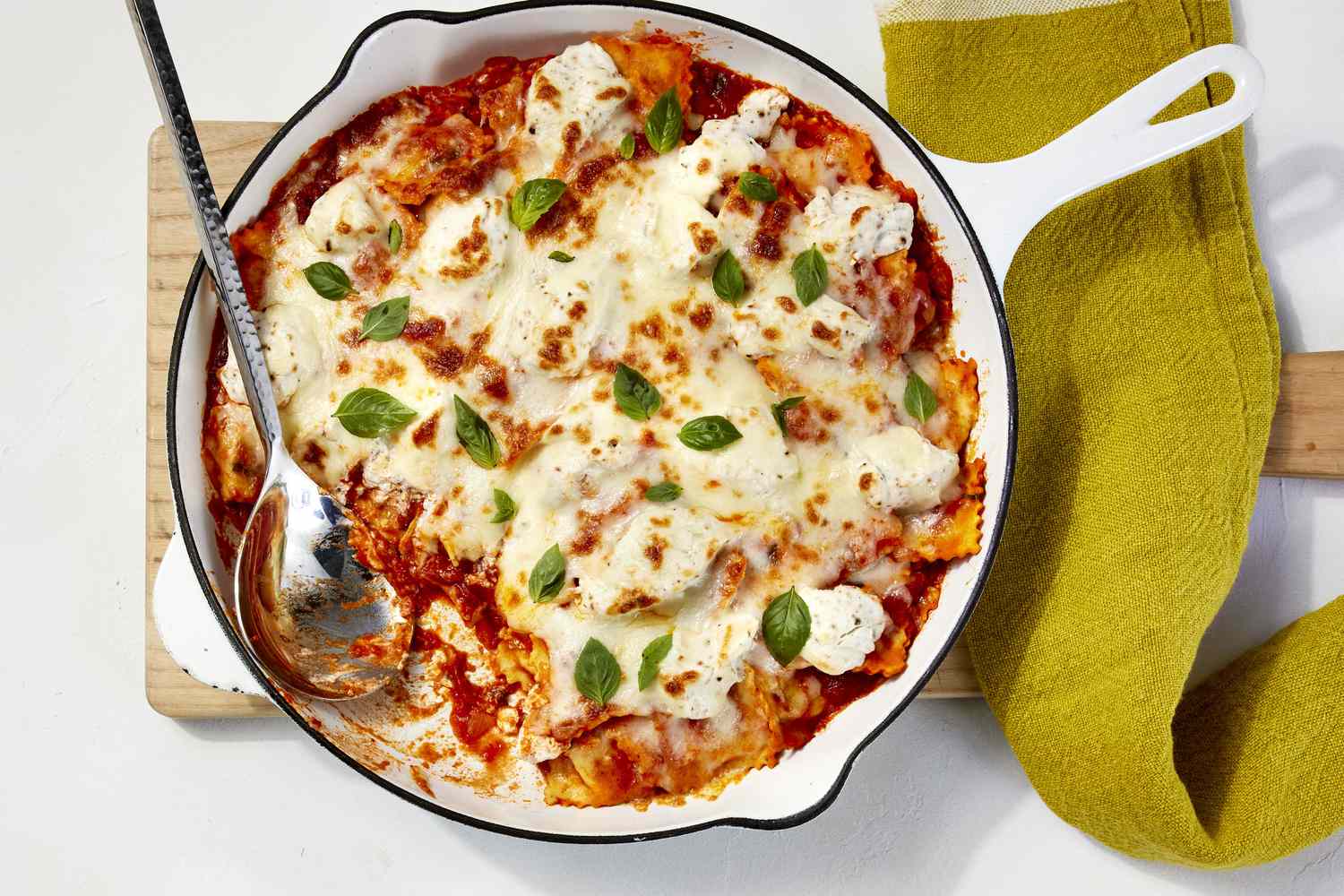
Cooking dinner every day can eventually become predictable. Pasta gets the same sauce, roasted vegetables receive the usual seasoning, and rice bowls begin to resemble the ones served earlier in the week. The problem is not necessarily a lack of recipes. Often, the easiest way to make dinner interesting again is to introduce one ingredient that changes the flavor, texture, aroma, or overall personality of a familiar meal.
That ingredient does not need to be expensive or unusual. Something as simple as miso paste, toasted sesame oil, citrus zest, smoked paprika, tahini, or fresh herbs can send a recipe in an entirely different direction. The secret is understanding what the ingredient contributes rather than adding it simply because a recipe says so.
Start With Familiar Food And Explore This Page Of Possibilities
Experimenting with dinner is easier when the foundation of the meal is already familiar. Instead of learning an entirely new recipe, start with something you regularly cook and change one element.
Think of this page as a blank space for culinary experimentation. A basic bowl of roasted potatoes, for example, can move in several directions depending on one additional ingredient. Smoked paprika introduces warmth and smokiness. Lemon zest makes the same potatoes brighter and fresher. Parmesan adds saltiness and richness, while rosemary creates an earthy aroma.
This approach reduces the pressure associated with experimenting. Since most of the meal remains familiar, one new ingredient can be evaluated clearly. You quickly learn whether it deserves a permanent place in your kitchen.
Unexpected Inspiration From Punjab State Dear 500 Lottery Result Today 6pm
Cooking creatively sometimes involves the same sense of anticipation associated with trying something without knowing exactly what the outcome will be. Someone searching Punjab state dear 500 lottery result today 6pm may be waiting for a particular result, while a home cook experimenting with an unfamiliar flavor is anticipating something far less dramatic but still enjoyable: the first taste.
Consider adding tahini to a familiar pasta dish. Commonly associated with hummus and Middle Eastern cooking, tahini can create a creamy pasta sauce without following the usual cream based formula. Combined with lemon juice, garlic, pasta water, and seasoning, it produces a nutty sauce that feels considerably different from traditional tomato or cheese based options.
The lesson is that ingredients do not have to remain confined to the dishes with which they are commonly associated.
Finding New Flavor Territory With www.mpbhulekhkhasra.com
Much like someone might visit www.mpbhulekhkhasra.com while looking for specific information, cooks can benefit from knowing exactly what they are searching for when changing a meal. Are you trying to add acidity, sweetness, heat, richness, freshness, or texture?
Once that question is answered, choosing an ingredient becomes easier.
Suppose a vegetable soup tastes flat even though it contains enough salt. A small amount of lemon juice or vinegar may provide the acidity it needs. If roasted vegetables lack complexity, a spoonful of miso mixed into a glaze can introduce savory depth. When a rice bowl needs freshness, chopped cilantro, mint, or scallions may be more effective than adding another sauce.
Thinking in terms of flavor functions makes experimentation much more intentional.
Creating Contrast While Browsing hkrnportal.com
Contrast is one of the easiest ways to make familiar food more interesting. Just as hkrnportal.com represents a completely different type of online destination from a cooking resource, contrasting culinary elements can bring unexpected character to a plate.
A creamy soup becomes more engaging with toasted seeds. Soft scrambled eggs gain another dimension from crispy chili oil. Rich macaroni and cheese can benefit from sharp pickled jalapeños. A sweet roasted squash dish becomes more complex with salty feta.
Texture deserves particular attention. People often focus almost entirely on flavor while overlooking how food feels. Adding toasted nuts, crispy breadcrumbs, raw vegetables, or seeds can change the experience of eating a dish without substantially altering its original recipe.
Contrast can also involve temperature. A spoonful of cool yogurt over hot roasted vegetables creates an immediate difference in both temperature and texture.
Experimenting With The Cm Yuva Udyami Yojana Official Website Mindset
Finding the Cm Yuva Udyami Yojana Official Website requires a specific search intention. Kitchen experimentation works better with the same kind of focus. Instead of randomly combining ingredients, decide what you want to change about the original dinner.
Take an ordinary grilled chicken dinner. If you want brightness, add a citrus based finishing sauce. For deeper savory flavor, introduce miso or soy sauce into the marinade. If warmth is the goal, try cumin or smoked paprika. For freshness, finish the chicken with chopped herbs.
The same principle works for vegetarian dishes. Lentils can move toward Mediterranean flavors with lemon and oregano, toward Indian inspired flavors with garam masala, or toward a richer profile with coconut milk. One thoughtfully chosen ingredient can provide the first step toward each transformation.
Let One Ingredient Remain The Star
More ingredients do not automatically create better food. In fact, adding too many unfamiliar elements at once can make it difficult to understand what improved the dish.
If you are experimenting with sesame oil, allow its toasted aroma to remain noticeable rather than adding five other powerful seasonings. When using fresh basil, pair it with ingredients that support its freshness. If smoked paprika is responsible for giving a familiar stew a new personality, avoid overwhelming it with several competing spices.
This method also helps develop cooking intuition. Over time, you begin understanding what individual ingredients contribute and which foods naturally complement them.
A Familiar Dinner Does Not Need To Stay Familiar
Creative home cooking does not always require complicated recipes, specialized equipment, or an overflowing pantry. Sometimes it begins with one jar, spice, herb, condiment, or piece of produce that has not previously been part of a familiar meal.
The next time dinner feels repetitive, resist the temptation to completely replace the recipe. Keep the meal you already know and change one carefully selected ingredient. Add acidity where there was richness, crunch where there was softness, freshness where there was heaviness, or spice where the flavor felt predictable.
One ingredient may seem like a minor adjustment, but in the kitchen, small changes can be enough to make an old dinner feel like an entirely new discovery.