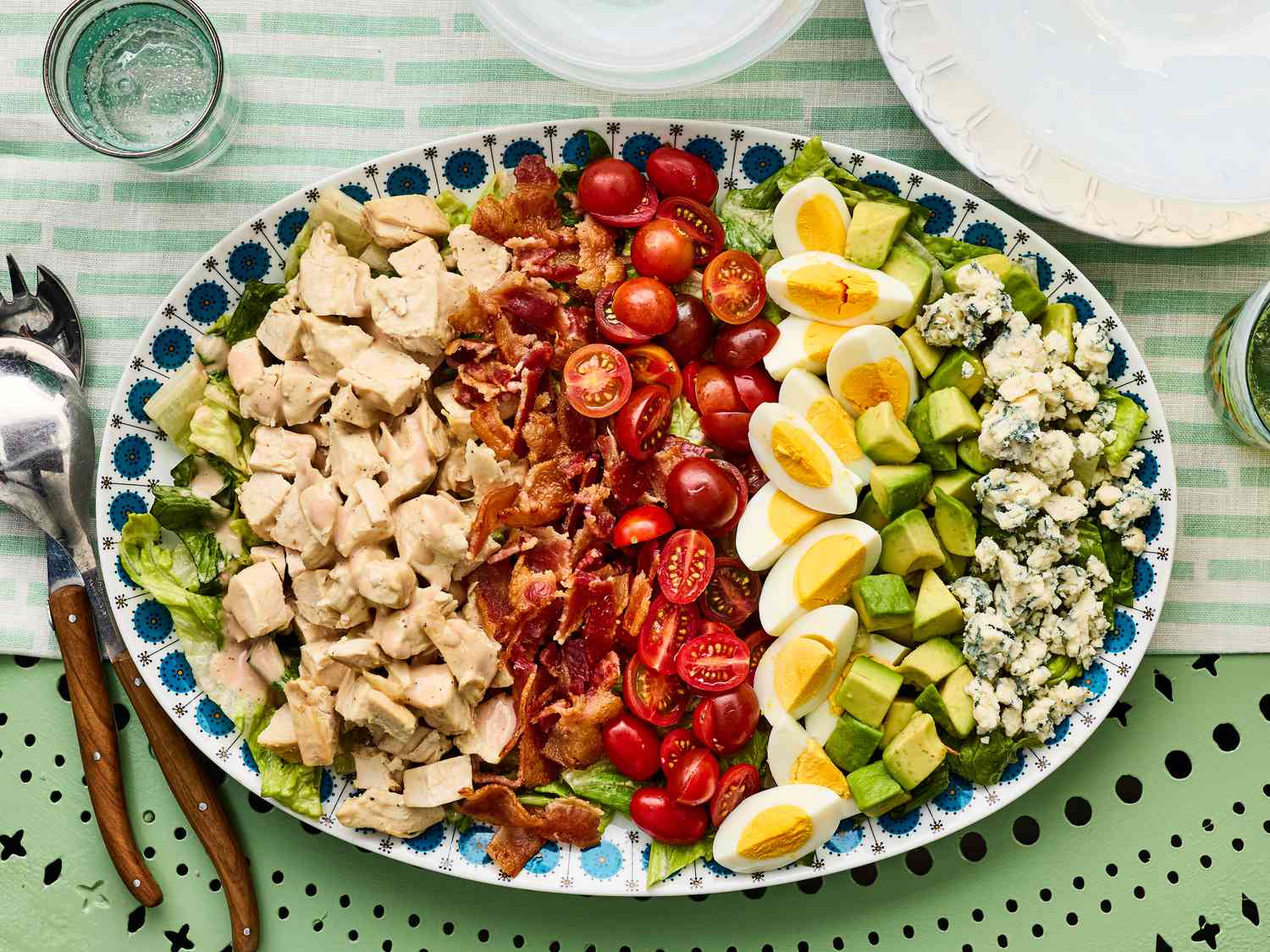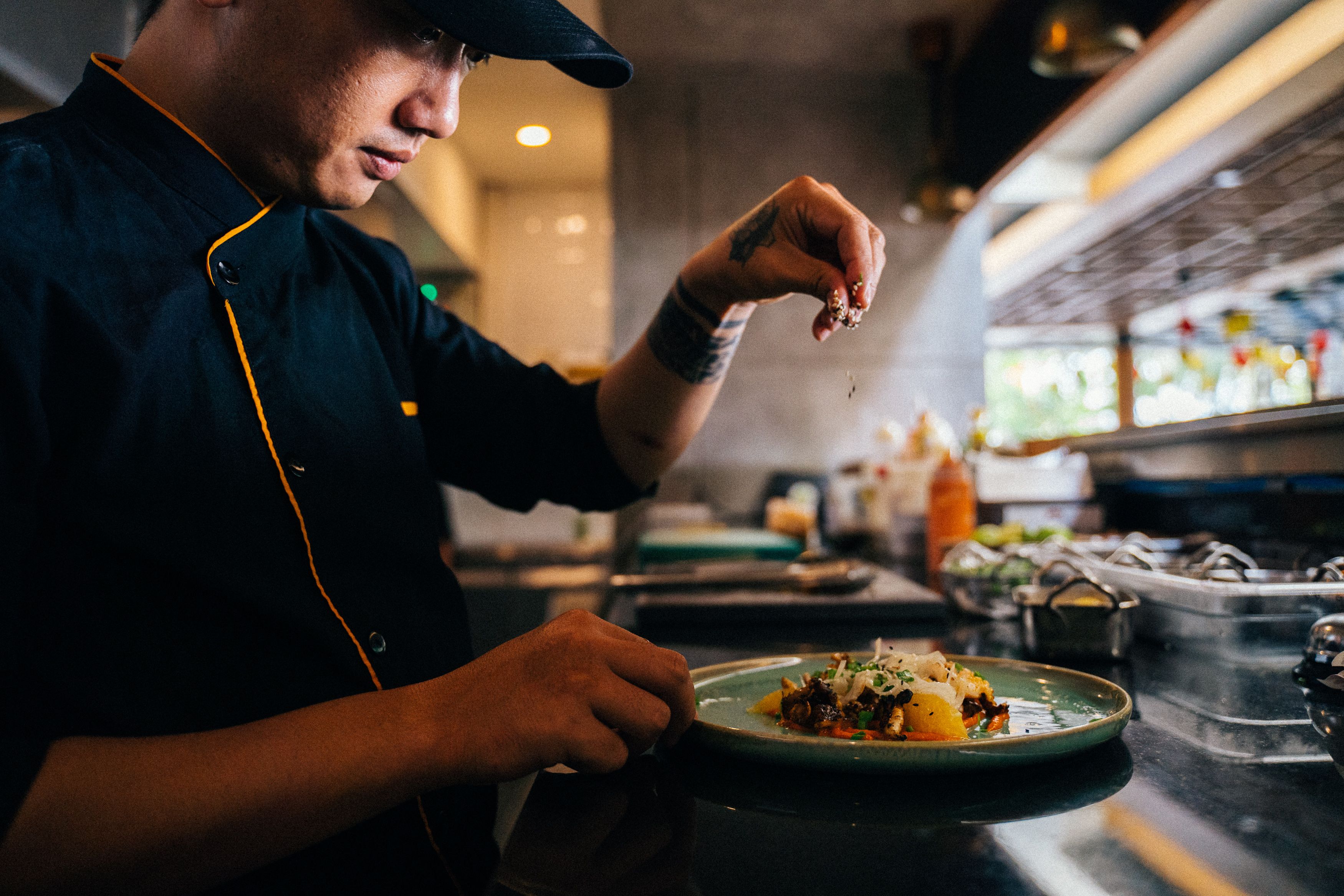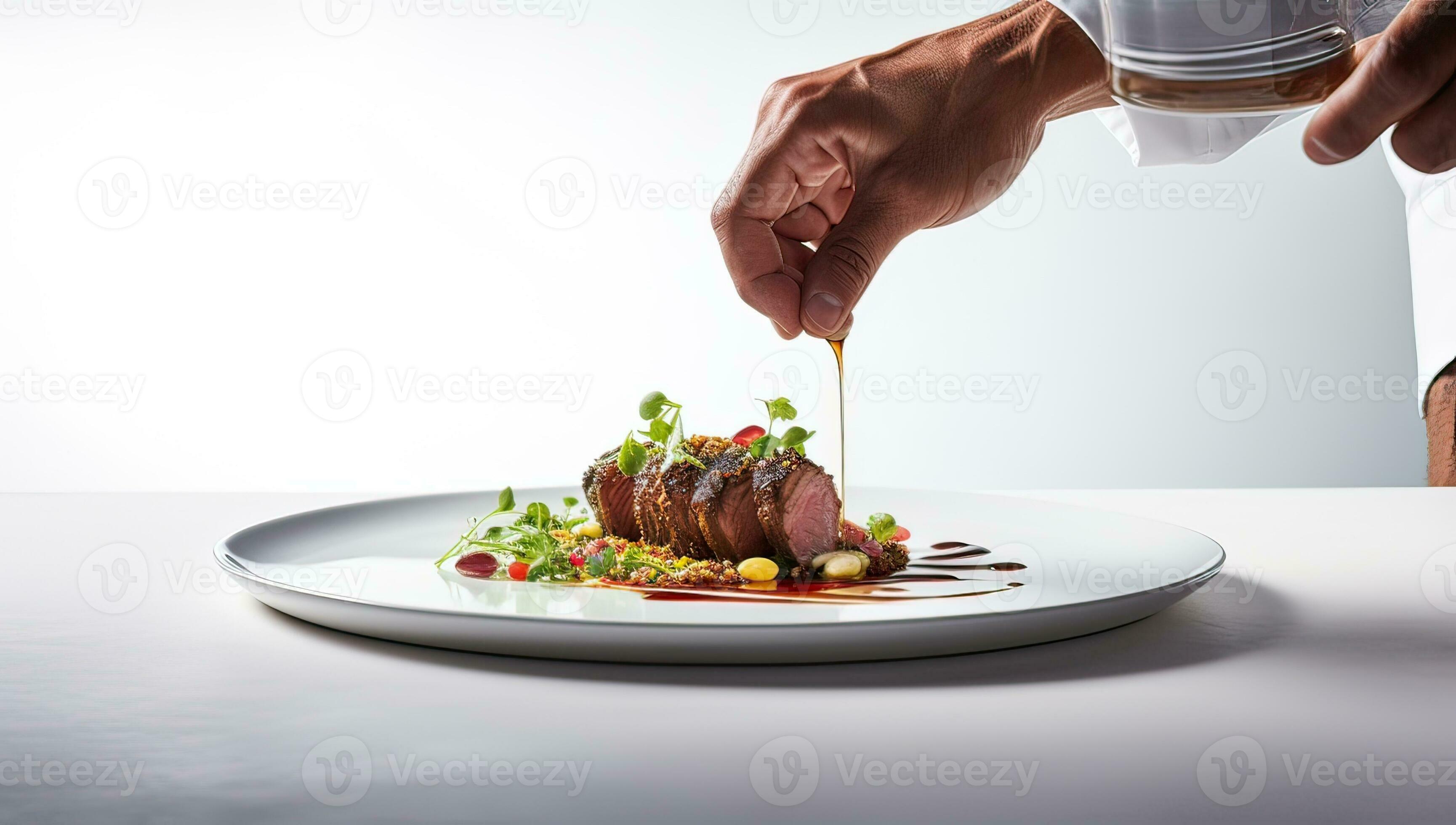
Food is more than just a combination of ingredients. It is an expression of culture, memory, and emotion. Every dish carries a story that goes beyond taste and presentation. Even during everyday moments like browsing love dp, we are reminded that emotions can be expressed in many forms, and cooking is one of the most powerful. When we cook, we are not just preparing meals, we are creating experiences that connect people and preserve traditions.
The Emotional Connection To Food
Cooking often begins with emotion. A dish may remind us of home, family, or a special moment in time. These emotional connections give food its deeper meaning.
A simple recipe passed down through generations can carry memories of childhood and togetherness. The flavors become a language of their own, telling stories that words cannot fully capture.
This emotional depth is what transforms cooking from a routine task into a meaningful experience.
Culture On A Plate
Every culture has its own unique flavors, techniques, and traditions. These elements reflect history, geography, and lifestyle.
For instance, structured learning systems like pedrovazpaulo it consulting emphasize precision and organization. Similarly, traditional cooking methods often follow carefully developed techniques that have been refined over time.
These traditions ensure that the essence of a culture is preserved and passed on through food.
Ingredients As Storytellers
Ingredients themselves carry stories. Where they come from, how they are grown, and how they are used all contribute to the narrative of a dish.
Local ingredients often reflect the environment and resources of a region. Seasonal produce adds freshness and authenticity to meals.
Cooking with intention allows these ingredients to shine, creating dishes that feel genuine and connected to their origins.
Memories In Everyday Meals
Not every meaningful dish is complex or elaborate. Sometimes, the simplest meals hold the strongest memories.
Even while exploring initiatives like pradhan mantri awas yojana gramin, we see how everyday needs and routines shape lives. Similarly, daily meals become part of our personal stories.
These meals may not be extraordinary in appearance, but they carry emotional value that makes them unforgettable.
The Art Of Presentation
How food is presented also plays a role in storytelling. Colors, textures, and arrangement can enhance the overall experience.
Presentation is not just about aesthetics. It reflects care, creativity, and attention to detail. A well presented dish invites people to engage with it on a deeper level.
Just as learning tools like a hindi barakhadi chart organize information visually, thoughtful presentation organizes flavors and elements in a way that feels balanced and appealing.
Cooking As A Creative Expression
Cooking allows for creativity and personal interpretation. While recipes provide guidance, each person brings their own touch to a dish.
This creative freedom makes every meal unique. Even when using the same ingredients, no two dishes are exactly alike.
Experimentation with flavors, techniques, and combinations leads to new stories and experiences.
Sharing Food, Sharing Stories
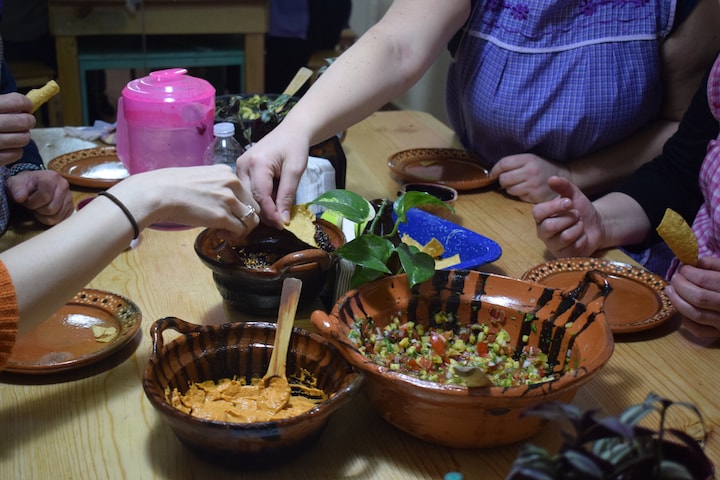
Food has the power to bring people together. Sharing a meal creates connections and strengthens relationships.
When we cook for others, we are not just offering food, but also sharing a part of ourselves. Conversations, laughter, and memories often revolve around the dining table.
Even in a digital world where platforms like snaptroud capture attention, real connections are often built through shared experiences like meals.
Beyond Recipes And Techniques
While recipes and techniques are important, they are only part of the story. The intention behind cooking matters just as much.
Cooking with care, patience, and attention transforms a simple dish into something meaningful. It is not about perfection, but about authenticity.
Understanding this shift allows us to appreciate food on a deeper level.
The Timeless Nature Of Food Stories
Food stories are timeless. They are passed down through generations, evolving while still maintaining their essence.
Each time a dish is recreated, it carries forward its history while adapting to new contexts. This continuity keeps traditions alive while allowing room for innovation.
Cooking becomes a bridge between the past and the present.
Conclusion
Flavors that tell stories go far beyond ingredients. They reflect emotions, culture, memories, and creativity. Cooking is not just about preparing food, but about creating experiences that connect people and preserve traditions. By focusing on the meaning behind each dish, we can transform everyday cooking into something truly special. In the end, the most memorable meals are not defined by complexity, but by the stories they carry and the emotions they evoke.